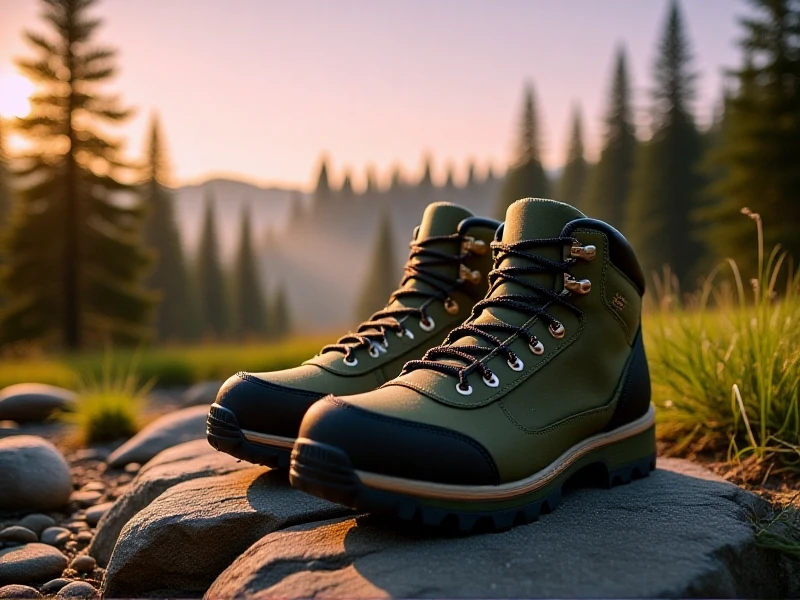
Hiking Shoes: Your Guide to Choosing the Perfect Pair for Adventure
Hitting the trail? Your feet deserve the best. Forget regular sneakers; dedicated hiking shoes are your crucial link to comfort, safety, and pure enjoyment on uneven terrain. But with so many options, finding the right hiking shoes can feel daunting. This guide cuts through the noise, focusing on the essential features that matter for your next adventure.
More Than Just Boots: The Spectrum of Support
Contrary to popular belief, hiking footwear isn't one-size-fits-all. Think of it as a spectrum:
- Hiking Shoes (Low-Cut): Lightweight and flexible, ideal for well-maintained trails and day hikes where speed and agility are priorities. They offer minimal ankle support but feel more like a rugged sneaker.
- Hiking Boots (Mid to High-Cut): Provide significant ankle support and stability, essential for carrying heavier packs, navigating rocky paths, or crossing uneven ground. High-cut boots offer maximum protection. Choose the height based on your pack weight and terrain difficulty.
Conquer Any Surface: Tread & Traction is Non-Negotiable
Your hiking shoes' outsoles are your safety net. Look for deep, multi-directional lugs that aggressively grip varied surfaces – dirt, mud, gravel, and even wet rock. Rubber compound matters too. Brands like Vibram® excel in offering high-quality grip that doesn't harden in cold weather. Don't underestimate this; solid traction prevents slips and lets you tackle descents with confidence.
Stay Dry: Weatherproofing for Consistent Comfort
Wet feet are miserable and can lead to blisters. Most quality hiking shoes offer waterproof-breathable membranes (like GORE-TEX®) that keep external moisture out while allowing sweat vapor to escape. While super breathable non-waterproof options exist (great for hot, dry climates), waterproof membranes are generally recommended for versatile use. Check if the shoe's construction ensures water doesn't seep in at the seams or tongue.
Cushioning & Comfort: Go the Distance
A full day on the trail demands underfoot protection. Good hiking shoes feature ample cushioning through the midsole, often using specialized EVA foams. For technical terrain or heavier loads, look for stability features like shanks (semi-rigid inserts) or plates that enhance support and protect your feet from sharp rocks. Prioritize comfort over "breaking in" – modern hiking shoes should feel supportive from the first step.
The Perfect Fit is Paramount
This is the golden rule. Poorly fitting hiking shoes are a fast track to blisters and discomfort. Ensure a snug fit around the heel and midfoot (no slipping!) with ample space to wiggle your toes, especially when descending. Always try shoes on wearing the hiking socks you intend to use. Take time walking, test them on an incline if possible, and trust how they feel. Don't settle for "they'll stretch."
Investing time choosing your ideal hiking shoes pays off in miles of comfortable, confident adventure. Prioritize the support level your adventures require, unbeatable grip, reliable waterproofing (if needed), supportive cushioning, and above all, a precise fit. Visit your local outdoor retailer today and step into the perfect trail companion. Your next big hike awaits!