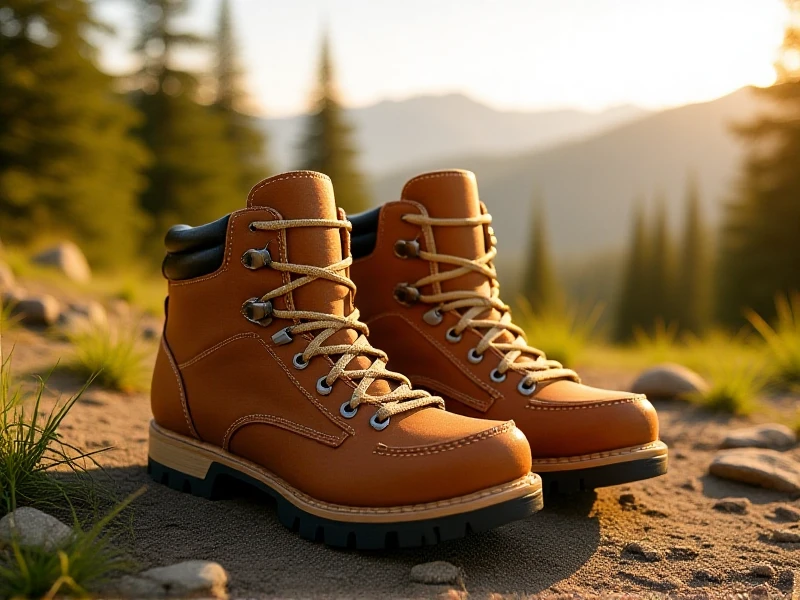
Find Your Perfect Hiking Shoes: Comfort & Traction Unleashed
Choosing the right footwear is paramount for any successful hike. Your hiking shoes are your foundation on the trail, impacting comfort, safety, and performance. Investing time in finding your perfect pair ensures miles of enjoyable exploration.
Why Specialized Hiking Shoes Matter Ordinary sneakers won't cut it for demanding terrain. Quality hiking shoes provide essential features:
- Superior Traction: Aggressive rubber soles with deep lugs grip loose soil, wet rocks, and muddy paths, keeping you stable. Vibram® outsoles are a gold standard.
- Ankle and Foot Support: Built-in support systems protect your ankles on uneven ground and reduce fatigue. Mid-cut options offer extra stability for rugged trails or heavier packs.
- Durable Protection: Robust uppers (leather, synthetic blends) shield your feet from scrapes, roots, and debris. Toe caps add crucial bump protection.
- Water Resistance & Breathability: Technologies like Gore-Tex® membranes keep feet dry crossing streams or in light rain while allowing sweat vapor to escape, preventing blisters.
- Comfort and Cushioning: Engineered midsoles absorb impact, reducing strain during long distances under a load. Proper cushioning is vital for multi-day treks.
Key Considerations When Choosing Your Hiking Shoes
- Terrain: Light trail walkers favor flexible, lightweight low-cut hikers. Rugged mountain or backpacking trips demand sturdy mid- or even high-cut boots with maximum support and protection.
- Fit is Everything: Always try on with hiking socks. Ensure ample toe room (wiggle space!) to prevent downhill toenail bruising. Measure both feet; sizes can differ. Heel should be snug without slippage.
- Waterproof vs. Breathable: Waterproof hiking shoes excel in wet conditions. However, if hiking primarily in hot, dry weather, breathable non-waterproof options offer better ventilation and dry faster if submerged.
- Break Them In: Never embark on a major hike with brand-new shoes. Wear them at home, on short walks, and progressively longer local trails to allow the materials to soften and mold to your feet, preventing painful blisters.
- Weight: Consider how far and how much you carry. Lightweight shoes reduce fatigue over many miles, while heavier boots offer unmatched support and durability for rough trails or heavy loads.
Popular Styles Explained
- Trail Runners: Ultralight with flexible soles. Ideal for fast, light hiking on well-maintained trails.
- Hiking Shoes (Low-Cut): Versatile for day hikes and moderate trails. Offer balance between weight, support, and agility.
- Hiking Boots (Mid/High-Cut): Provide maximum ankle support, protection, and stability for challenging terrain, heavy packs, and off-trail exploration.
Finding your ideal pair of hiking shoes unlocks the great outdoors. Prioritize fit for your foot, the terrain you tackle most, and the level of support needed. Step confidently onto the trail – the right hiking shoes make every adventure safer, more comfortable, and infinitely more rewarding. Explore styles today!